
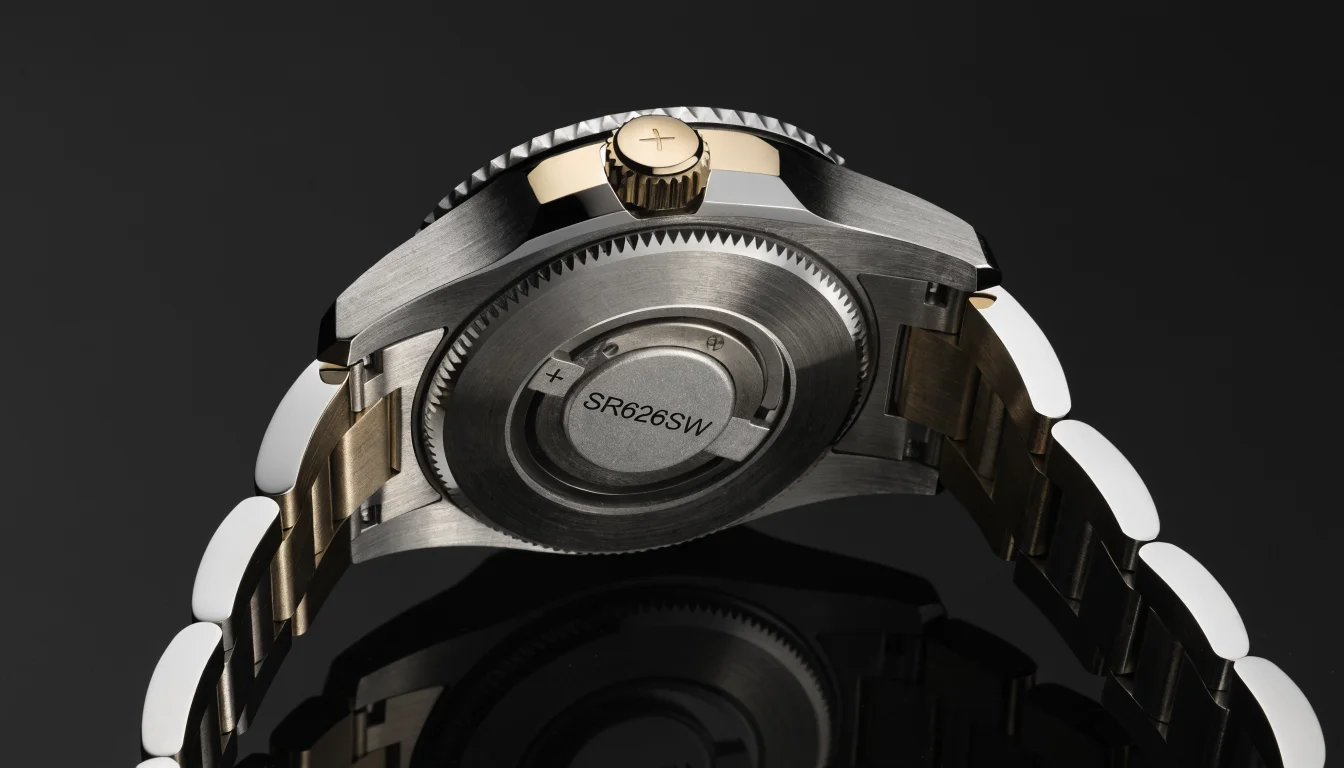
SR626SW vs SR621SW
Understanding how SR626SW compares to VS SR621SW helps you choose the correct battery for your device. This guide covers the key differences.
Battery confusion is common among watch owners. Similar-looking batteries can have different dimensions or chemistry, and using the wrong one can damage your device or lead to poor performance. This comparison clarifies the relationship between SR626SW and VS SR621SW.
Why Height Matters
Watch cases are designed for a specific battery height. The compartment has a fixed depth. A battery that is too tall will not allow the case back to close, or worse, will exert pressure on the movement. A battery that is too thin may not make reliable contact with the terminals.
The 0.5mm difference between SR626SW (2.6mm) and SR621SW (2.1mm) is significant in the confined space of a watch case. Never assume a battery will work because the diameter matches—height is equally important.
Size Difference
SR626SW is 6.8×2.6mm; SR621SW is 6.8×2.1mm. Same diameter, but SR626SW is 0.5mm taller. They are not interchangeable—using the wrong height can damage the watch or cause poor contact.
The 0.5mm height difference may seem small, but it matters. Battery compartments are sized precisely. A thicker battery can crack the case or damage the movement; a thinner one may not make proper contact and the device will not work. Never force a battery into a compartment.
Which Do You Need?
Check your watch manual or the old battery. If it is 2.6mm thick, use SR626SW. If 2.1mm, use SR621SW. Do not force a thicker battery into a compartment designed for a thinner one.
SR621SW equivalents include 364, 164, SR60, AG1. If your device uses SR621SW, you need the thinner variant. SR626SW is the most common 6.8mm diameter battery, but some slim watches and small devices use the thinner SR621SW.
Why Two Heights Exist
Watch designers choose battery height based on case thickness. Slim dress watches often use SR621SW to keep the profile thin. Standard watches use SR626SW for longer runtime. Both are silver-oxide and share the same voltage; only the physical size differs.
Capacity varies with volume: SR626SW holds more energy than SR621SW. If your device specifies SR621SW, use the thinner battery. Using SR626SW in an SR621SW compartment can crack the case or damage the movement. Never force a battery that does not fit.
How to Identify Your Battery
The best way to confirm which battery you need is to remove the old one and check the label. Most batteries have the type printed on the positive (top) side. If the label is worn, measure the diameter and height with a ruler or caliper.
Your watch manual or the manufacturer's website may also list the required battery type. When in doubt, take the watch to a jeweler or watchmaker—they can identify the correct battery and replace it if needed.
Practical Tips for Battery Selection
When shopping for replacement batteries, bring the old one if possible. Retail staff can match it visually. If ordering online, double-check the product listing against your device requirements. Dimensions (diameter × height in mm) are the most reliable identifier.
Avoid mixing old and new batteries in multi-battery devices. Replace all batteries at once. Store spares properly: cool, dry place, original packaging. Check expiration dates—batteries past their date may have reduced capacity.
Why Battery Confusion Happens
Watch batteries use multiple naming systems: IEC codes (SR626SW), commercial numbers (377), and generic size codes (AG4). Different regions and manufacturers adopt different conventions. This can make shopping confusing, but once you know the equivalents, you have more options and can often find better deals.
When comparing batteries, focus on dimensions and chemistry first. Size determines fit; chemistry determines performance. A 6.8×2.6mm silver-oxide battery will work regardless of whether the label says SR626SW, 377, or AG4 silver-oxide.
Common Mistakes to Avoid
Never assume batteries with similar numbers are interchangeable. SR626SW and SR621SW both start with SR62, but they have different heights. SR626SW and LR626 share the same size code (626) but different chemistry. Always verify dimensions and chemistry before purchase.
Do not force a battery into a compartment. If it does not fit easily, you likely have the wrong size. Forcing can damage the case, movement, or battery. When in doubt, take the old battery to the store for visual matching, or consult our equivalent batteries page for the correct replacement.
Verifying Your Purchase
After buying, compare the new battery to the old one before discarding the old cell. They should match in diameter and height. If the packaging lists dimensions (e.g., 6.8×2.6mm), verify they match your device requirements. A quick visual check can prevent costly mistakes.
Device Compatibility and Runtime
Device manufacturers specify the exact battery type for a reason. Using the wrong size or chemistry can reduce runtime, damage the device, or void the warranty. Silver-oxide batteries typically last 1–3 years in quartz watches. Alkaline equivalents may last 6–18 months. The correct battery ensures optimal performance.
When replacing batteries, note the orientation of the old cell. Positive usually faces up. Incorrect polarity can prevent the device from working. If the new battery does not fit snugly, double-check that you have the correct type. Loose fit may indicate the wrong size.
Shopping and Installation Tips
When buying replacement batteries, bring the old one to the store if possible. Retail staff can match it visually. If ordering online, verify the product listing matches your device requirements. Dimensions printed on the package (e.g., 6.8×2.6mm) are the most reliable identifier. Avoid generic listings that do not specify size or chemistry.
Handle new batteries with care. Use tweezers to avoid skin contact. Store spares in a cool, dry place. Check expiration dates before use. For replacement instructions, see our replacement guide. Compare trusted brands when choosing a supplier.
Recycling and Disposal
Used watch batteries should be recycled at designated collection points. Many electronics retailers and municipal waste facilities accept button cells. Do not dispose of batteries in regular trash—they contain materials that should be recovered. Proper recycling prevents environmental harm and supports resource recovery.
Keep used batteries in a small container until you can take them to a collection point. Do not mix with new batteries. Store away from children and pets—swallowing button cells is dangerous. Some retailers offer take-back programs when you purchase replacements.
Quick Reference
When unsure which battery your device needs, remove the old one and check the label. The type is usually printed on the positive side. If the label is worn, measure the diameter and height with calipers. Match these dimensions to our equivalent batteries page to find the correct replacement.
Never force a battery into a compartment. If it does not fit easily, you have the wrong size. Forcing can damage the device. When in doubt, take the watch to a jeweler or watchmaker. They can identify the correct battery and replace it professionally if needed.
Summary
Always verify the correct battery type before purchasing. Check your device manual, the old battery label, or consult a retailer. Using the wrong battery can void warranties or cause premature failure. For more comparisons, see our equivalent batteries and brand comparison pages. Need replacement instructions? See our replacement guide.
Related Comparisons
Explore other battery comparisons: SR626SW vs SR621SW (same diameter, different height), SR626SW vs SR616SW (same diameter, thinner), SR626SW vs SR920SW (different size), SR626SW vs LR44 (not interchangeable), SR626SW vs AG4 (chemistry matters).